
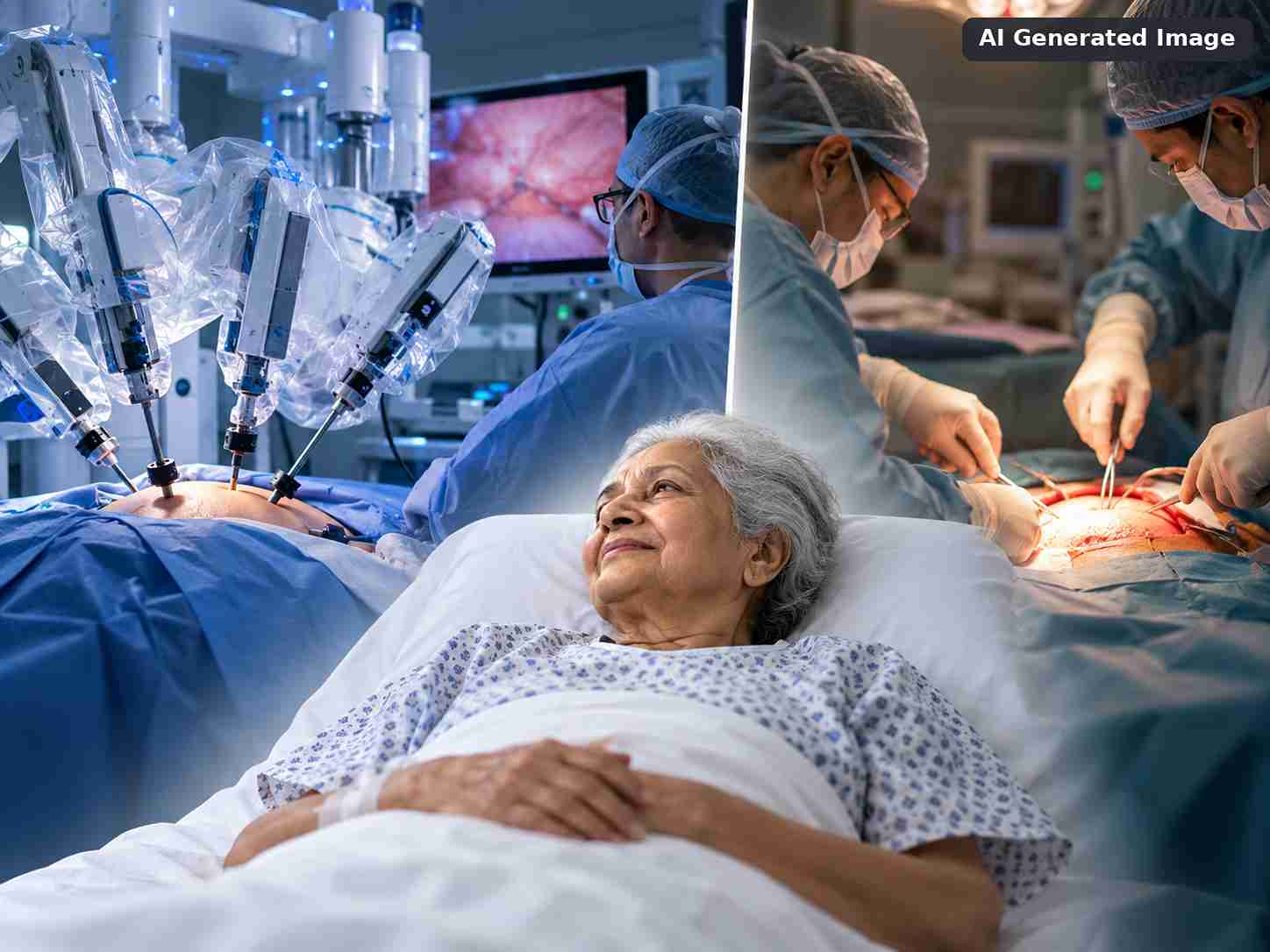
For many older adults, robotic cancer surgery may offer a less invasive alternative to open surgical procedures, with smaller incisions, less blood loss and potentially shorter hospital stays in selected patients. However, it is not automatically safer for everyone.
The choice depends on the disease type, size and location, as well as frailty, overall health, heart and lung function, and recovery capacity. Open or traditional surgery may still be necessary for complex or difficult-to-reach tumours.
Why Age Alone Shouldn’t Decide the Type of Cancer Surgery
Being 70, 75 or 80 (and above) does not automatically rule out major surgery. [Source]
People of the same age can differ substantially in their physical fitness, independence, organ function and ability to recover from illness. For surgical decision-making, doctors consider overall physiological health and functional status rather than age alone.
Frailty is particularly important because it reflects reduced resilience to the physical stress of surgery and a higher risk of complications, prolonged recovery and loss of independence.
For a deeper understanding, see our guide on why frailty matters more than chronological age when treating malignancies in older adults.
Older patients may also face higher risks from major surgery, including breathing problems, infections, slower movement, and longer recovery.
For more detail, read about the 8 factors that matter more than age for surgery
What Makes Robotic Cancer Surgery Different From Open Surgery?
Robotic surgery provides a minimally invasive, high-precision alternative to traditional procedures, offering enhanced control while bridging the gap between classic methods and laparoscopic techniques.
How Robotic Surgery Works
Surgeons control robotic arms from a console, translating hand movements into precise actions and utilising a magnified 3D camera to remove tumours through tiny incisions.
How Traditional Open Surgery Works
This classic approach uses a single large incision to directly expose the surgical area, providing hands-on access to organs at the cost of larger scars and longer recovery times.
Where Does Laparoscopic Surgery Fit In?
Laparoscopy serves as an intermediate, minimally invasive method using small incisions and a 2D camera, offering quicker healing than open surgery but less dexterity than robotic systems.
Is Robotic Surgery Safe for Elderly Cancer Patients?
Yes, especially for appropriately selected older patients.
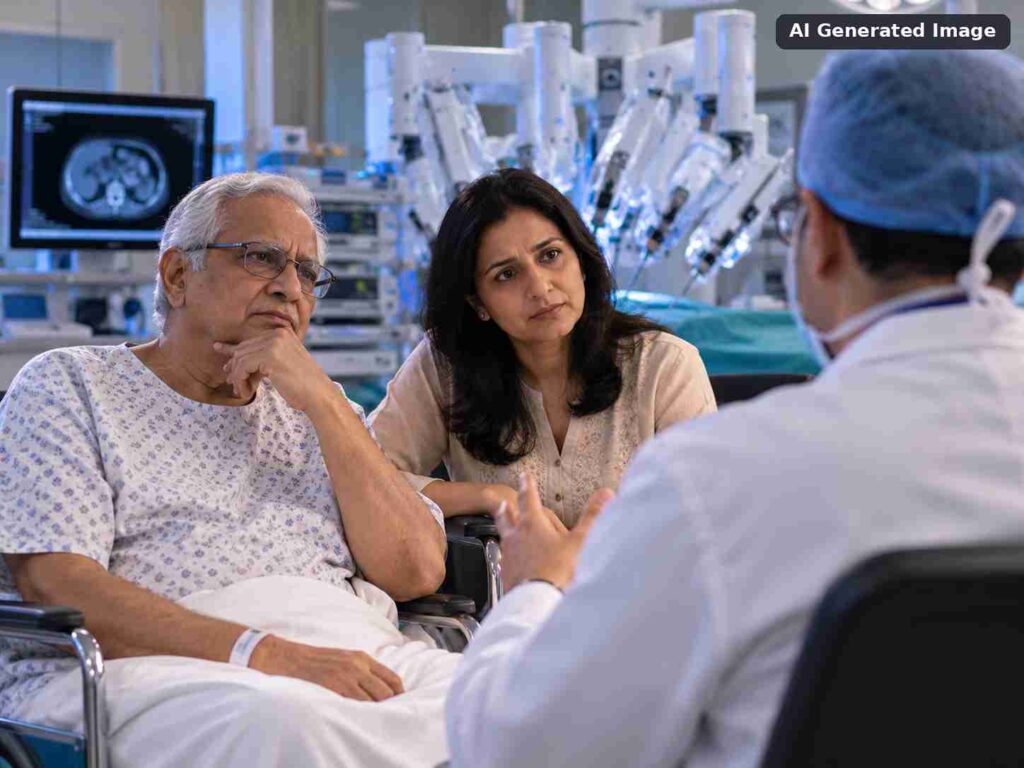
Before an operation, the surgical team may assess heart and lung health, blood tests, nutrition, mobility and other medical conditions.
Blood Loss and Anaesthesia Time
Blood loss is generally lower than with open surgery, while operating and anaesthesia times may be longer than with some conventional approaches. In older adults, cardiac, respiratory, and functional reserve are carefully assessed before surgery.
Infection and Complication Rates
An NIH study found fewer wound-related problems with robotic procedures than with open surgery in selected tumour removal operations. But like any surgery, complications may include infection, bleeding, blood clots, breathing problems, or issues related to the organs being treated.
However, the actual risk varies by type, procedure, and the patient's health.
Complication Rates for Robot-Assisted Surgery by Cancer Type
- Prostate: 8.8% (<70 years); 10% (80+ years)
- Colon: 12–31%
- Rectal: 12–37%
- Gynaecologic: 7.8% overall; 2.3% major complications
- Lung: ~46% (80+ years)
Recovery Time and Hospital Stay
- Hospital stay: 1–3 days
- Early mobility: 5–24 hours
- Urinary catheter: 7–14 days
- First 2 weeks: Rest, hydration and short walks
- Return to normal routines: 3–6 weeks
- Avoid heavy lifting and strenuous exercise: At least 6 weeks
- Full functional recovery: 4–6 weeks
Robotic vs Open Surgery for Elderly Patients — A Side-by-Side Comparison
| Factor | Robot-Assisted | Open (Traditional) |
| Blood loss | Often lower in selected procedures | May be higher |
| Hospital stay | May be shorter | May be longer |
| Pain | Usually less wound pain | Often more wound pain |
| Infection risk | Smaller wounds may reduce wound-related problems | Larger wounds may have more wound-related risks |
| Mobility recovery | Movement may begin sooner | Recovery may take longer |
These are general comparisons, not guarantees. Some patients may recover quickly after open surgery, while others may need more time after robotic surgery.
Is Robotic Cancer Surgery More Expensive Than Open Surgery?
Yes, mainly because of the equipment, maintenance and specialised consumable costs involved.
Why It Costs More?
- Equipment and maintenance: Hospitals must invest in the robotic platform, plus ongoing maintenance and software contracts.
- Specialised instruments: Robotic instruments have limited uses and need replacement, adding to per-procedure costs.
- Operating room costs: Robot setup, docking and specialised surgical teams can add time and overhead to the procedure.
For families, laparoscopic surgery can be a lower-cost alternative in some cases. For a full breakdown of robotic vs laparoscopic vs open surgery, see our detailed comparison guide.
Benefits of Robotic Surgery in Cancer Treatment for Older Adults
For suitable elderly patients, this approach may provide several practical benefits:
- Smaller surgical cuts
- Less blood loss during some procedures
- Less wound pain
- Earlier movement after surgery
- Shorter hospital stay in selected cases
- Faster return to daily activities in some patients
When Might Robotic Surgery Not Be the Right Choice?
If severe underlying health conditions, advanced tumour complexity, or high physical frailty make traditional open surgery or non-surgical treatments safer.
In some cases, other advanced procedures may be considered. For abdominal malignancies, CRS+HIPEC surgery may be an option depending on the disease and its spread.
If a malignancy initially appears difficult to operate on, the question of “can inoperable cancer become operable” may also need separate assessment.
The final decision depends on the disease, previous treatment, medical history and overall physical condition.
Patient Factors That May Affect Suitability
- Severe heart or lung disease: Prolonged surgery and positions such as steep head-down tilts can place extra stress on the heart and lungs.
- Advanced frailty: Patients with very low physical reserve may struggle to tolerate general anaesthesia or longer operations.
- Complex or extensive tumours: Large malignancies involving major blood vessels may sometimes require open surgery for better access and control.
- Previous abdominal surgeries: Extensive scar tissue or adhesions can make robotic port placement difficult or unsafe.
- High anaesthesia risk: When general anaesthesia or a longer operation carries significant risk, other treatment approaches may be considered.
Choosing the Right Robotic Onco-Surgeon in Kolkata for an Elderly Patient
It requires evaluating the surgeon’s specialised geriatric and minimally invasive expertise, hospital infrastructure, and experience with the specific tumour type. Also look for a surgeon who can clearly explain the available options, expected benefits, possible risks and recovery process.
Questions to Ask Before Surgery
- Why is this type of surgery being recommended?
- Can the cancer be removed safely with a smaller-incision approach?
- What are the possible risks in my case?
- How long might I need to stay in hospital?
- How much help may I need after returning home?
- What happens if robotic surgery is not suitable during the operation?
- Are there other surgical options I should consider?
- What should my family expect during recovery?
You can also learn more about my approach to surgical oncology before discussing your treatment options.
As a robotic onco-surgeon in Kolkata, I also offer personalised consultations at my clinics.
Frequently Asked Questions
How many days does an elderly patient need to stay in the hospital after robotic cancer surgery?
Many patients go home within a few days, but the exact stay depends on the operation, overall health, recovery progress and any problems after the procedure.
Can a patient with heart or diabetes conditions safely undergo robotic cancer surgery?
Yes, in many cases. The medical team first checks heart function, blood sugar, medicines and other health issues before deciding whether the procedure is appropriate.
Does insurance in India cover robotic cancer surgery?
Some health insurance policies cover these procedures, while others may have limits or exclusions. Check your policy and confirm coverage with the insurer before treatment.
How to know if my elderly parent is a candidate for robotic surgery instead of open surgery?
A specialist can assess the disease, medical history, physical strength, scans and anaesthesia risks before recommending the most suitable approach for safe tumour removal.