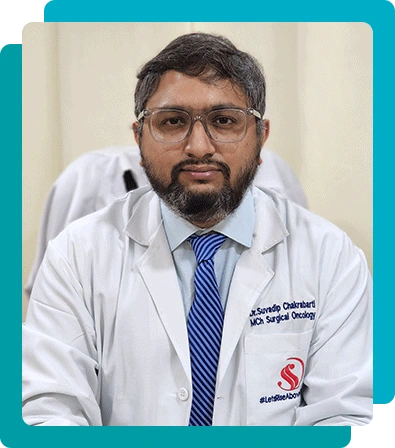
Specialised Surgical Oncology Care
Prof (Dr) Suvadip Chakrabarti - Surgical Oncologist in Kolkata
A cancer diagnosis brings many questions. Understanding your surgical options should not be another cause for concern. Consult Prof (Dr) Suvadip Chakrabarti, Senior Surgical Oncologist and Robotic Cancer Surgeon in Kolkata, for a detailed assessment and personalised surgical planning.
About the Doctor
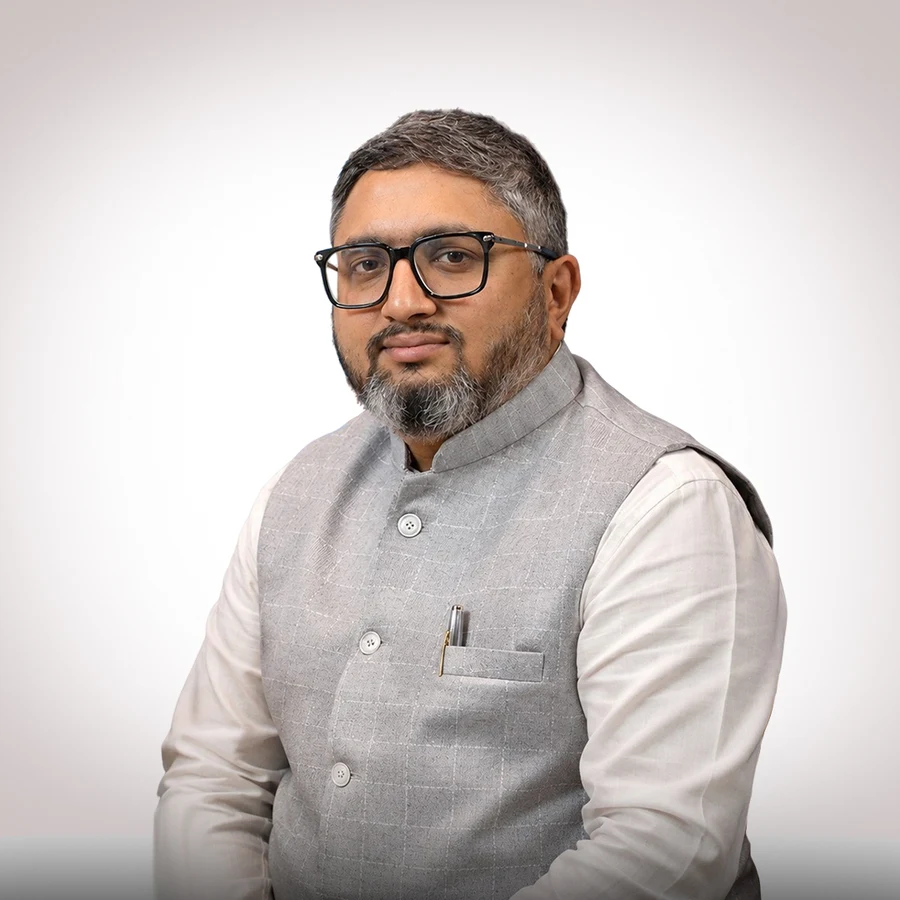
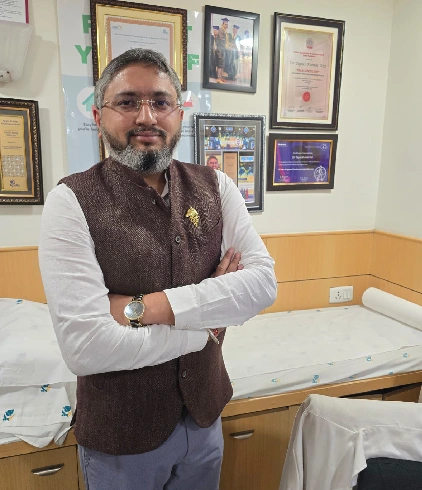
Meet the Surgical Oncologist
When someone is diagnosed with cancer, the first question is often, "What should we do next?" Having the right medical guidance can make this difficult time easier to navigate.
Prof (Dr) Suvadip Chakrabarti is a cancer surgeon in Kolkata with specialised training in surgical oncology and experience in managing different types of cancer. He holds an MCh in Surgical Oncology and serves as the Academic Head and Senior Consultant Surgical Oncologist and Robotic Surgeon at Apollo Multispeciality Hospital, Kolkata.
His clinical work covers head and neck cancers, breast cancer, gynaecological cancers and gastrointestinal cancers, including complex cases that may require advanced surgical techniques.
He believes that good cancer care begins with understanding the condition, discussing available treatment choices and helping patients and families make informed decisions.
Cancer Conditions
Explore Specialised Surgical Care for Different Types of Cancer
Different cancers require different treatment approaches. The type of cancer, its location and how far it has progressed all influence whether surgery is needed.

Head and Neck Cancer
Surgical evaluation for cancers affecting the mouth, tongue, throat, salivary glands and other head and neck structures, with attention to essential functions such as speaking and swallowing.


Breast Conservation Surgery
Breast conservation surgery aims to remove cancerous tissue while preserving as much healthy breast tissue as possible.

Gynaecological Cancer
Surgical care planning for ovarian, cervical, uterine and other gynaecological cancers, based on diagnosis, disease stage and the patient's overall health.

Stomach Cancer
Surgical treatment for stomach cancer focuses on removing the tumour and affected lymph nodes when appropriate, while considering digestive function and long-term recovery.

Colon Cancer
Colon cancer surgery involves removing the cancer-affected section of the colon and nearby lymph nodes, with an emphasis on restoring bowel continuity whenever possible.

Rectal Cancer
Rectal cancer surgery focuses on tumour removal while considering bowel function and sphincter preservation, depending on the cancer's stage and location.

Breast Cancer
Breast cancer surgery may involve breast-conserving surgery or mastectomy, along with lymph node assessment, based on tumour characteristics and individual treatment needs.
In the Spotlight
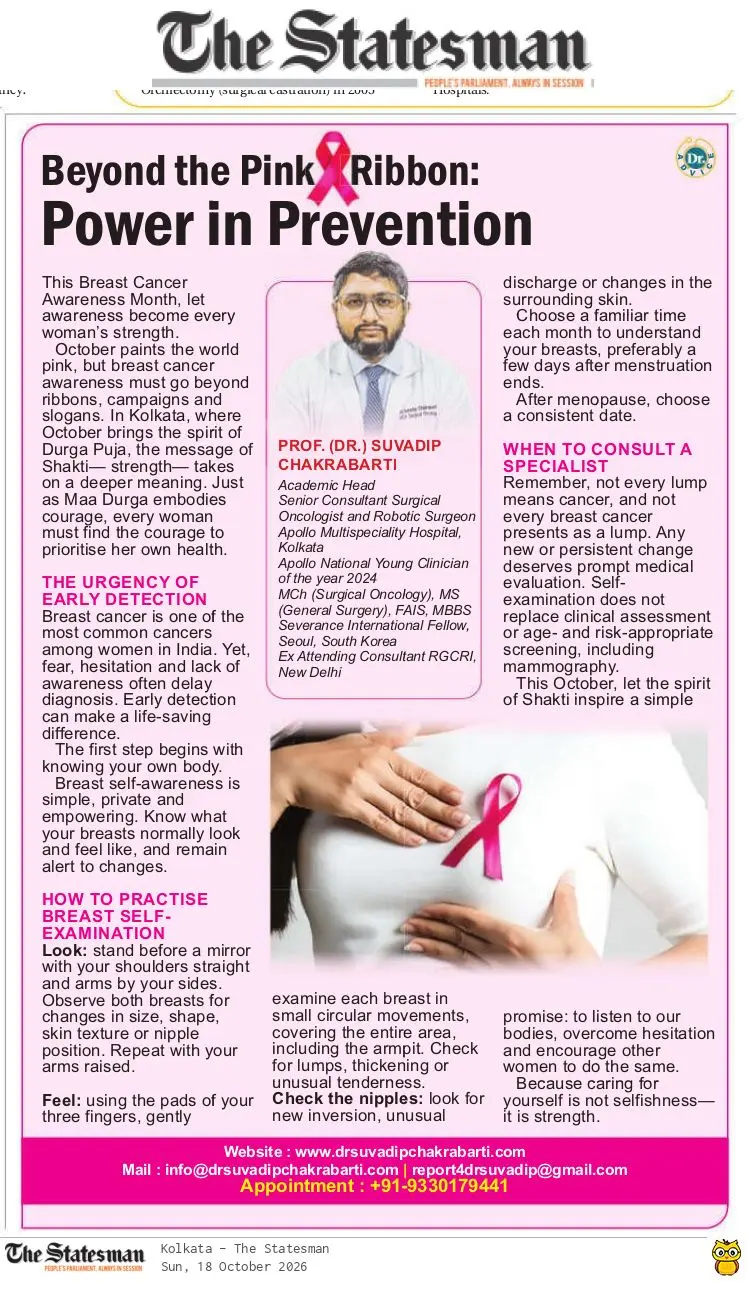
Press Releases
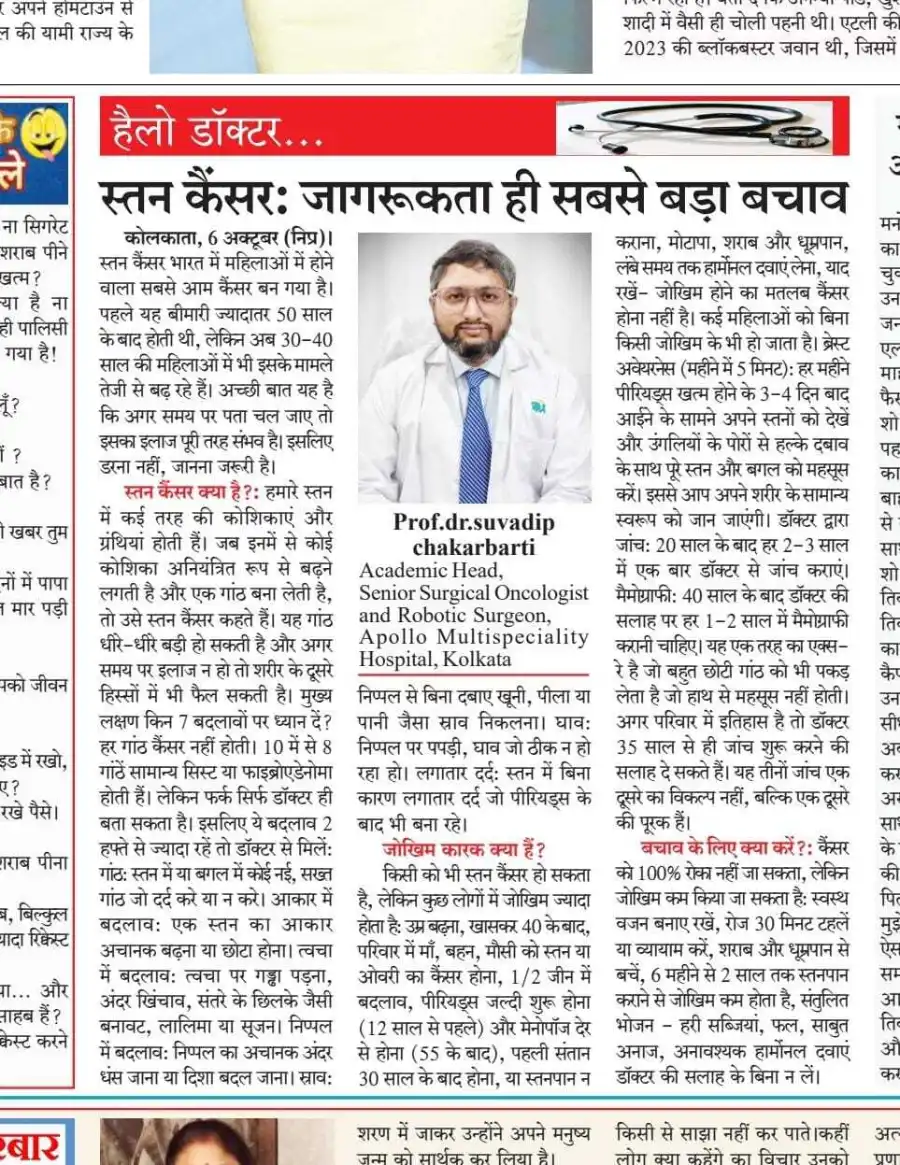
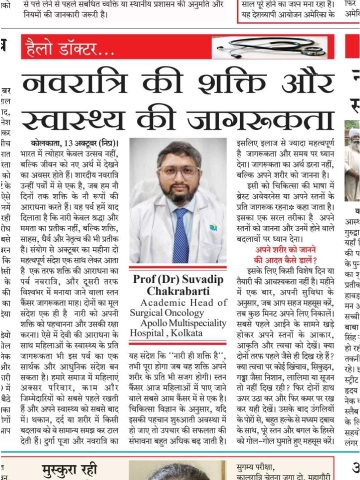
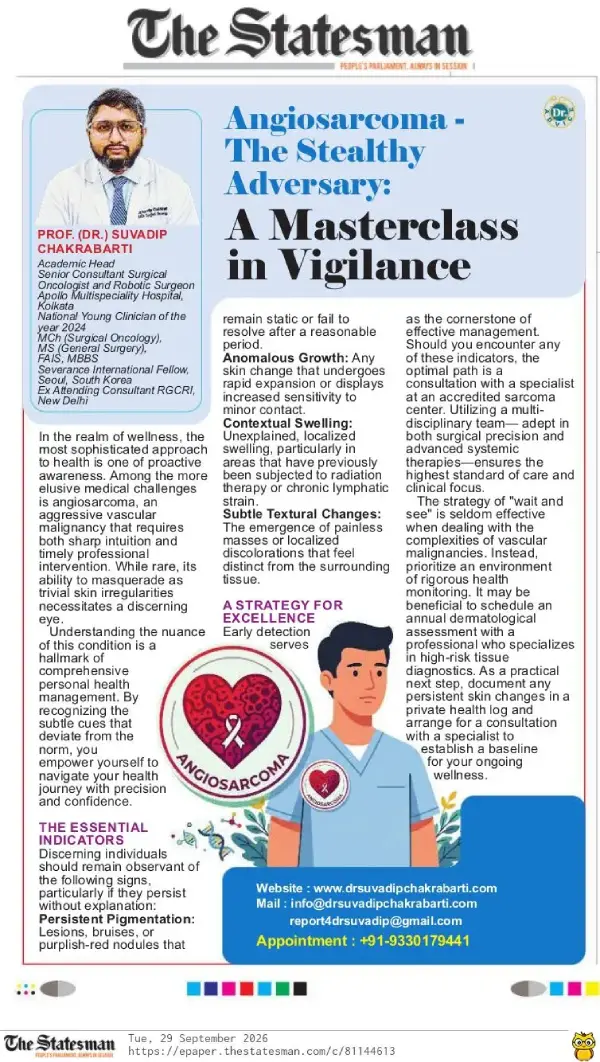
Know When to Seek Specialised Care
When Should You Consult a Surgical Oncologist?
Not every lump, swelling or unusual symptom means cancer. However, certain changes should not be ignored, especially when they persist or worsen.
A surgical oncologist can help assess a confirmed cancer diagnosis, review suspicious findings and determine whether surgery may have a role in treatment. Look for signs that warrant a medical evaluation.
- A lump or swelling that persists or increases in size
- A mouth ulcer that does not heal within two weeks
- Unexplained bleeding, including blood in stools or abnormal vaginal bleeding
- Persistent difficulty swallowing or unexplained changes in bowel habits
- Unexplained weight loss accompanied by other concerning symptoms
- An abnormal biopsy, scan or test result requiring specialist review
These symptoms can occur for reasons other than cancer. A medical assessment helps determine their cause and whether specialist referral is necessary.
Already received a cancer diagnosis? Consulting a surgical oncologist can help clarify the available treatment options before important decisions are made.

Advanced Approaches to Cancer Surgery
What Surgical Options Are Available for Complex Cancer Cases?
Cancer surgery has evolved beyond traditional open procedures. Depending on the cancer type, its stage and the patient's medical condition, different surgical approaches may be considered.
Prof (Dr) Suvadip Chakrabarti works with advanced surgical techniques, including robotic-assisted procedures and specialised surgery for selected abdominal cancers.
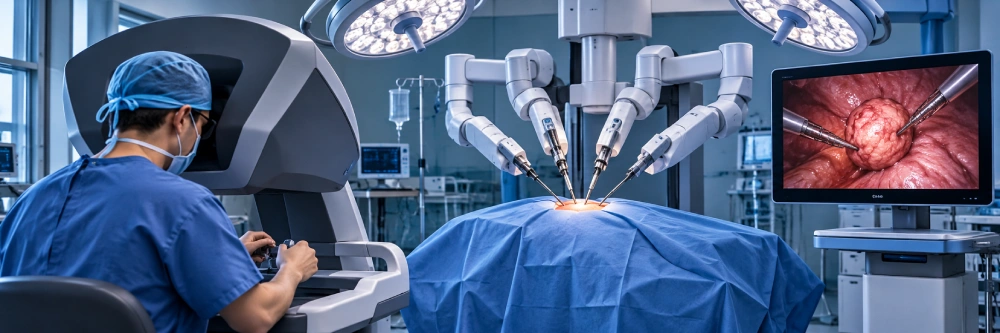
Robotic Cancer Surgery
Robotic-assisted surgery allows the surgeon to operate using specialised instruments and magnified three-dimensional visualisation. It may offer advantages in certain complex or confined surgical areas.
However, robotic surgery is not suitable for every cancer patient, and it does not automatically provide better outcomes than other surgical approaches.
Know More About Robotic Surgery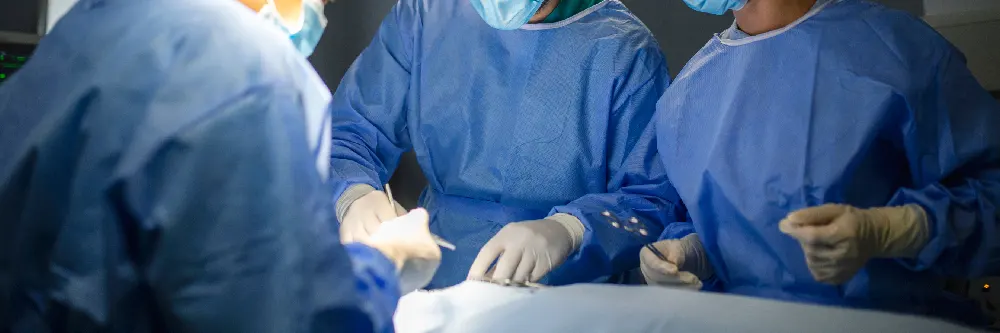
CRS + HIPEC Surgery
Cytoreductive Surgery (CRS) aims to remove visible cancer deposits from the abdominal cavity. In selected cases, it may be combined with Hyperthermic Intraperitoneal Chemotherapy (HIPEC), which involves circulating heated chemotherapy within the abdomen during surgery.
This approach is considered only for specific cancers involving the peritoneum, following detailed assessment and multidisciplinary discussion.
Learn More About CRS + HIPEC SurgeryUnderstanding Your Treatment Journey
How Is a Cancer Surgery Plan Decided?
Cancer surgery is not planned from a single scan or report. A careful review of the diagnosis, cancer stage, overall health and treatment goals is necessary before recommending an operation.
Understanding the Diagnosis
Available biopsy reports, imaging findings and medical history are reviewed to understand the type and extent of cancer.
Assessing the Stage and Operability
Further tests may be recommended to determine how far the cancer has spread and whether surgical removal is feasible.
Discussing Treatment Options
Surgery may be considered alone or alongside chemotherapy, radiotherapy or other treatments, often with input from a multidisciplinary cancer care team.
Planning Treatment and Recovery
The proposed procedure, potential risks, expected recovery and follow-up requirements are discussed before making a treatment decision.
Why Consult Prof (Dr) Suvadip Chakrabarti for Cancer Surgery?
Choosing a surgical oncologist involves more than looking at qualifications. Patients and families also need someone who can explain the diagnosis, discuss realistic treatment possibilities and address their concerns.
Prof (Dr) Suvadip Chakrabarti brings specialised surgical oncology training, institutional experience and exposure to advanced cancer surgery techniques.
What Supports His Clinical Practice?

Specialised Qualifications MCh in Surgical Oncology, along with MS and FAIS credentials.

International Clinical Exposure Fellowship experience at Yonsei University in Seoul, South Korea, and the Apollo International Fellowship programme.

Experience Across Cancer Types Surgical evaluation and treatment of head and neck, breast, thyroid, gynaecological and gastrointestinal cancers.

Advanced Surgical Approaches Experience in robotic-assisted cancer surgery and specialised procedures such as CRS + HIPEC.

Hospital-Based Oncology Practice Consultant Surgical Oncologist and Robotic Surgeon associated with Apollo Multispeciality Hospital, Kolkata.

Focus on Informed Decisions Attention to clinical assessment, treatment suitability and discussions with patients and families.
Testimonials
Hear from Patients and Families About Their Care Journey
Read experiences shared by patients and their families about their consultations, communication and surgical care with Prof (Dr) Suvadip Chakrabarti.

Ankit Jain
★★★★★My wife had a large 10cm Mesenteric Tumor (GIST vs Leiomyoma). We were very worried. Dr. Suvadip Chakrabarti did the surgery at Apollo Hospital, Kolkata...
Gayatri Chatterjee
★★★★★Dr Suvadip Chakraborty is an excellent Onco Surgeon, with a very amicable personality. He generates a kind of confidence and relief in the minds of his patients....
Pranita Das Mohari
★★★★★I am extremely grateful to Dr. Suvadip Chakrabarti. He treated my father for tongue cancer and performed the surgery with great expertise....
Saumavo Chakraborty
★★★★★Dr Suvadip Chakraborty & his team is just like Un-Explored NE Sector for a tourist & was never put him in limelite through so called todays media...
Narayan Kumar Binani
★★★★★Very approachable and responsive Dr. S chakroborty.have a very good experiance with Dr.Surgeon.he had operated my brother in law and recovering fast.
Niraj Kumar
★★★★★Dr suvadip Chakrabarty is a very approachable and pleasant Dr.he performed surgery on my wife lump ,which went very well and she doing very well now
Cancer Care Explained
Get Answers to Common Questions About Cancer and Surgical Oncology
Does every cancer diagnosis require surgery?
No, not every cancer diagnosis requires surgery. Some cancers are treated primarily with chemotherapy, radiotherapy, immunotherapy or other treatments, depending on the cancer type and stage. Surgery may be recommended before, after or alongside these treatments when appropriate.
Is robotic surgery suitable for every cancer patient?
No, robotic surgery is not appropriate for every cancer patient. Suitability depends on the cancer type, tumour location, stage, overall health and the procedure required. Open or other minimally invasive techniques may be more appropriate in certain situations.
Can you seek a second opinion before cancer surgery?
Yes, patients can seek a second opinion before proceeding with cancer surgery. Another surgical oncologist can review the diagnosis, proposed procedure and available treatment alternatives. This can be particularly helpful when considering a complex operation or when the treatment choices are unclear.
What reports should you bring to your first consultation?
Bring all available biopsy and histopathology reports, imaging scans, blood test results and previous treatment records. A list of current medicines and details of existing medical conditions are also useful. If available, carry the original scan images or digital files rather than only the written reports.
Where can you consult Prof (Dr) Suvadip Chakrabarti in Kolkata?
Prof (Dr) Suvadip Chakrabarti consults at Apollo Multispeciality Hospital, Kolkata, and also sees patients at Apollo Clinic in Mukundapur, AM Clinic on Southern Avenue and Suraksha in Kasba. To book an appointment at any of these locations, please call +91 93301 79441. It is best to call ahead to confirm his consultation days and timings.
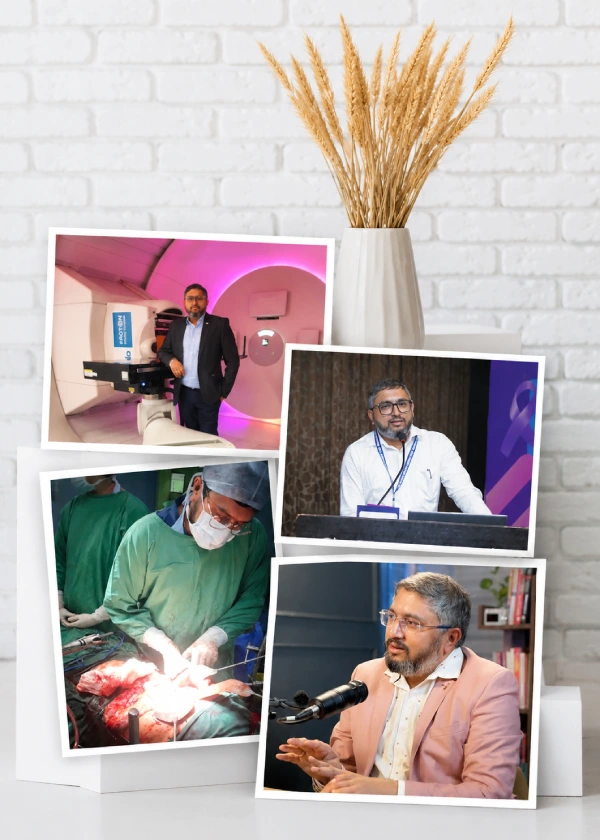

Need Guidance About Cancer Surgery?
Whether cancer has recently been diagnosed, surgery has been recommended or a second opinion is needed, understanding the available options is an important step. A clear discussion today can help patients and families make more informed treatment decisions.
Book an AppointmentLatest Blogs and Cancer Insights
Helpful Insights on Cancer Symptoms, Treatments & Recovery
From identifying warning signs to understanding cancer treatments and recovery considerations, these articles are intended to support better-informed conversations.

Does a Family History of Breast Cancer Mean You Will Get It Too?
No. Having a family member with breast cancer does not mean you will definitely develop it. Your chances may be higher, but many people with an affected relative never develop...
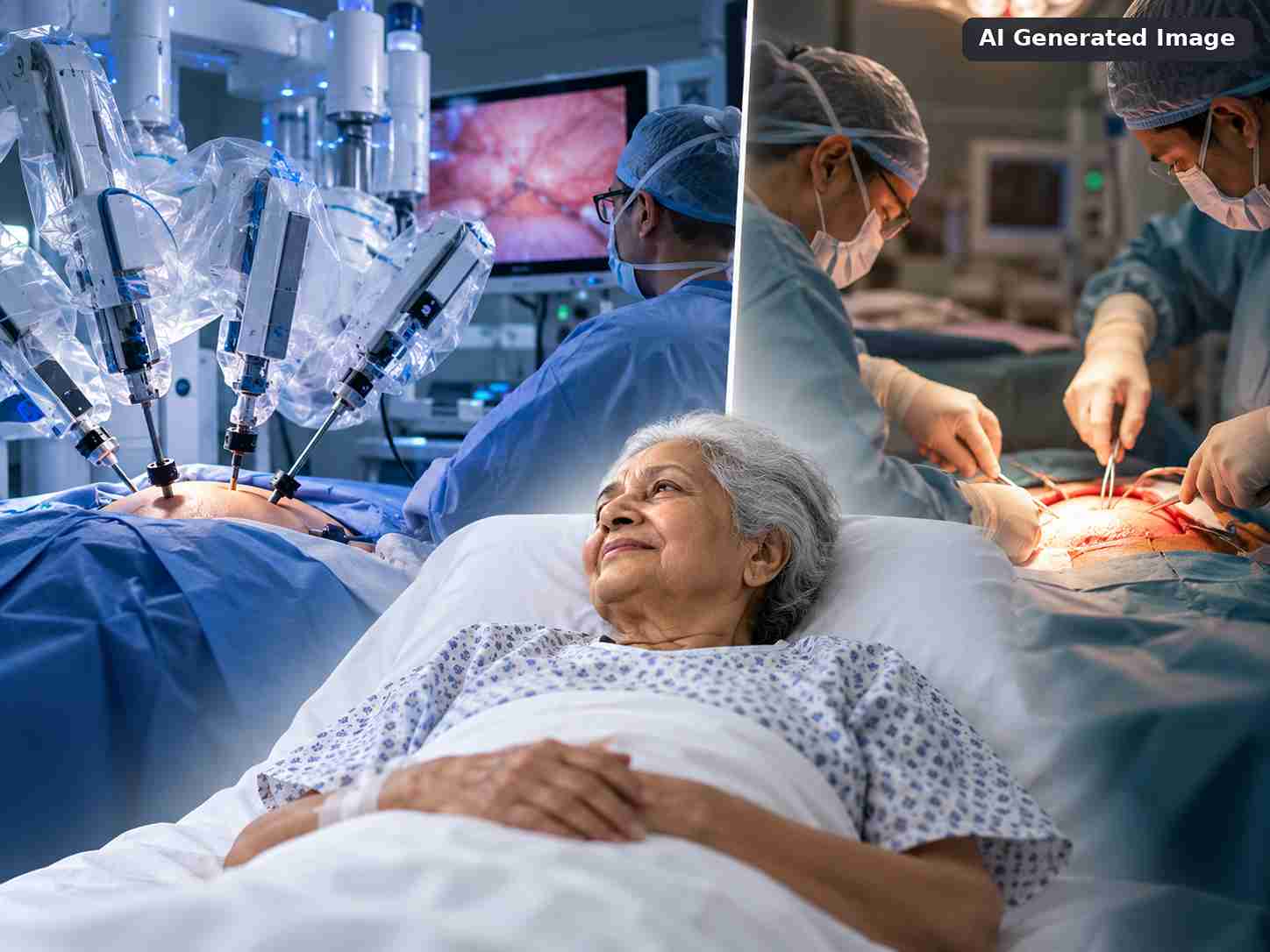
Is Robotic Surgery Safer Than Open Surgery for Elderly Cancer Patients?
For many older adults, robotic cancer surgery may offer a less invasive alternative to open surgical procedures, with smaller incisions, less blood loss and potentially shorter...

What Causes Head and Neck Cancer Besides Smoking and Alcohol?
Smoking and alcohol are major risk factors for head and neck cancer, but they are not the only ones. A person who has never smoked or consumed alcohol can still develop...