
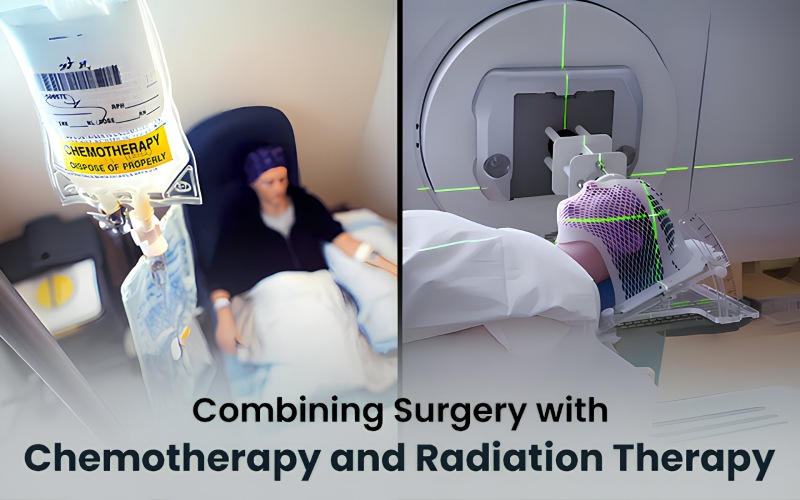
When you hear the words surgery, chemo, and radiation, it feels like the whole world tightens around you. To many in Kolkata, the combination feels overwhelming because it involves many steps.
If you’re confused, scared, or wondering what comes next… stay with me for a moment. Here is the clarity you need.
The truth: No One Says Out Loud
These treatments aren’t enemies — they’re a powerful team fighting for your life. And when they’re combined the right way, patients often heal faster, live longer, and get a real shot at normal life again.
When treatments are combined with precision and a clear plan, outcomes improve. Breast and gynaecologic cancer care relies heavily on this approach because these cancers respond best when therapies support one another.
What’s More…?
It also reflects the treatment style followed by Dr Suvadip Chakrabarti, a trusted Cancer surgeon in Kolkata. He is known for breast conservation surgery and advanced gynaecologic cancer management.
Understanding Multimodal Cancer Treatment
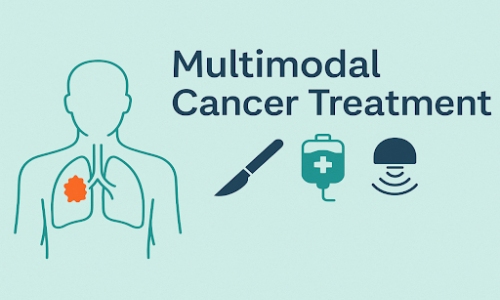
Multimodal therapy (Source) uses multiple cancer treatment options to treat cancer more effectively. It brings surgery, chemotherapy, and radiation therapy together so each treatment supports the others.
Dr Suvadip Chakrabarti, a surgical oncologist and robotic surgeon, highlights the strength of this approach. And with good reasons too.
It helps reduce tumour size, remove visible disease, and destroy hidden cells that may later recur. This approach is especially important in breast cancer and cervical cancer, where treatment must balance safety, precision, and preservation of function.
Multimodal Plan For Breast and Gynaec Cancers
| Stage | Treatment Step | Why It Matters |
| 1 | Neoadjuvant therapy | Shrinks the tumour early |
| 2 | Surgery | Removes core disease |
| 3 | Adjuvant therapy | Eliminates residual cells |
| 4 | Follow-up | Protects long-term health |
Each treatment has a unique strength. Surgery removes the tumour directly. Chemotherapy enters the bloodstream and destroys cells that travel through the body. Radiation therapy targets the area where the tumour once existed and ensures no small clusters remain.
Combining these three methods creates a coordinated plan that helps protect patients from recurrence and increases long-term survival.
This combination is the backbone of breast conservation. Many women qualify for breast-conserving approaches when chemotherapy shrinks the cancer early, and radiation therapy supports safe healing later.
Role of Surgery in Cancer Treatment
Tumour Removal and Its Importance
Surgery is often the first significant step in cancer treatment. It removes the main tumour and gives doctors the sample needed for a precise diagnosis. This step enables more informed decision-making for the remaining treatments.
This is why personalised surgery for cancer plays such a central role. For breast cancer, surgery decides whether breast conservation is possible. For gynaecologic cancers, it removes the disease while preserving important structures whenever safe to do so.
Dr Suvadip Chakrabarti, a leading Cancer surgeon in Kolkata, performs advanced surgeries that focus on safety, precision, and organ preservation wherever possible.
Limitations of Surgery Alone
Surgery cannot see microscopic cells hiding in nearby tissues or the bloodstream. These cells can grow again. This is why surgery alone is not enough.
Upon necessity, chemotherapy and radiation therapy step in to remove what surgery cannot detect. This three-step approach is crucial for achieving complete healing and maintaining long-term control.
Chemotherapy: Targeting Cancer Systemically
How Chemotherapy Works
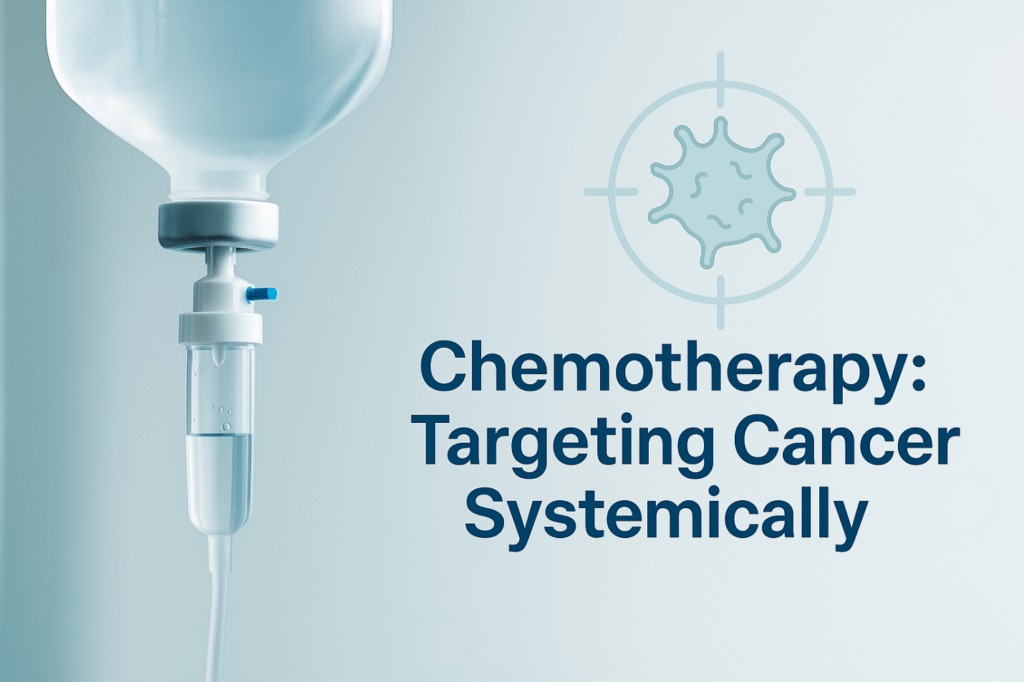
Chemotherapy moves through the bloodstream and destroys cancer cells throughout the body. It targets fast-growing cells that may have escaped the main tumour. It also helps shrink cancer before surgery.
Many patients fear chemotherapy side effects, but modern care provides better control. Doctors personalise doses to protect energy levels, immunity, and appetite. Supportive medicines further reduce discomfort.
The goal is simple: strong results with minimal disruption to daily life.
Managing Side Effects
Side effects usually include fatigue, nausea, and reduced appetite. These can be managed with hydration, rest, anti-nausea medicines, and nutrition support.
Patients treated by Dr Suvadip Chakrabarti, an experienced Cancer surgeon in Kolkata, receive appropriate chemotherapy schedules that balance safety and effectiveness.
Radiation Therapy: Precision in Targeting Tumours
Techniques and Methods
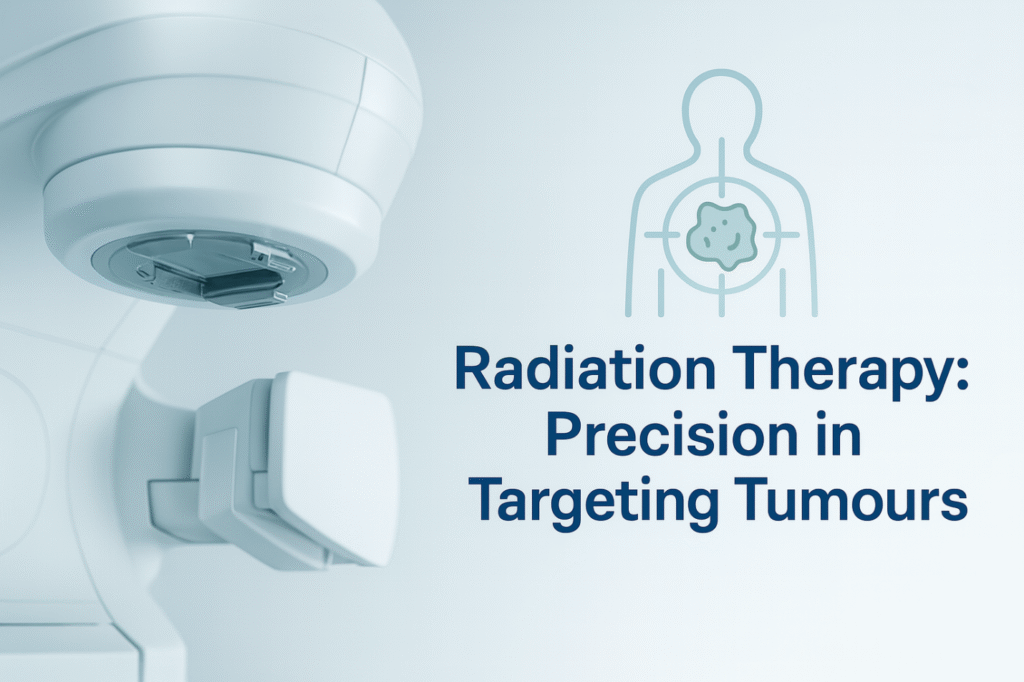
Radiation therapy uses focused beams of energy to eliminate remaining cancer cells after surgery. Modern systems protect healthy organs and reduce side effects.
In some cases, radiation may be paired with targeted therapy in cancer to improve tumour control, especially in breast cancer, where precision matters most.
Benefits and Risks
Radiation therapy reduces the chance of cancer returning in the same area. Side effects are usually mild and temporary, including skin irritation and fatigue.
Most women return to normal routines shortly after treatment. The precision of modern radiation makes it a reliable partner to surgery and chemotherapy.
Sequencing Treatments for Best Outcomes
Pre-Surgery (Neoadjuvant) Therapy
Neoadjuvant therapy helps shrink tumours before surgery. This step increases the success of breast conservation and reduces surgical complications.
This approach requires a strong foundation in cancer treatment planning, as timing is crucial to its success. It ensures surgery is safer and recovery is smoother. Many women feel relieved when neoadjuvant therapy allows them to avoid a mastectomy.
Post-Surgery (Adjuvant) Therapy

Adjuvant therapy targets any microscopic cells left behind after surgery. It reduces long-term risk and improves survival. This stage is essential for healing and monitoring. It involves personalised schedules based on tumour type, stage, and surgical findings.
This is also when cancer follow-up care becomes essential for early detection and timely support.
Monitoring and Follow-Up
Detecting Recurrence Early
Follow-up appointments help detect recurrence early. Imaging tests, physical examinations, and blood tests work together to ensure patient safety and well-being. This approach supports the prevention of cancer recurrence, particularly in cancers known for their propensity to recur late.
Regular screening builds confidence and protects long-term well-being.
How does Each Treatment Support Recovery?
| Treatment | Purpose | When Used | Long-Term Benefit |
| Surgery | Remove tumour | Early stage | Clears the main disease |
| Chemotherapy | Systemic control | Before/after surgery | Prevents spread |
| Radiation | Local control | After surgery | Reduces recurrence |
Gain The Clarity & Confidence You Need
Combined therapy offers a clear and confident path for women dealing with breast and gynaecological cancers. Surgery removes the visible tumour. Chemotherapy controls the disease throughout the body. Radiation therapy protects the area where the tumour began. Together, these treatments create a strong shield that supports long-term health, emotional balance, and peace of mind.
With thoughtful guidance, expert planning, and continuous follow-up, patients regain strength and stability.
Book Your Consultation Today
If you want a personalised and precise treatment plan, connect with Dr Suvadip Chakrabarti, a leading Cancer surgeon in Kolkata. Book your consultation today and start your journey with expert guidance and compassionate care.
People Also Ask
Is combined cancer treatment more effective?
Yes. Combined treatment reaches cancer from different angles and improves long-term survival.
Does multimodal therapy increase side effects?
Not always. Modern sequencing techniques reduce stress and improve healing time.
Is breast conservation safe when treatments are combined?
Yes. Neoadjuvant therapy helps shrink tumours, making conservation possible.
How long does combined treatment take?
Duration varies by stage and type. Doctors personalise the timeline for safety.