When you hear the word “cancer”, one of the biggest fears isn’t just the diagnosis—it’s the idea it might come back. You may ask: if the tumour is removed, can a good surgeon prevent recurrence? You might be searching for a cancer surgeon and hoping for clear answers, and this is surely the right place.
Let’s walk through what surgery can and cannot do, what else matters, and everything you should know about cancer recurrence.
The Role of a Surgeon in Cancer Treatment
Surgery for cancer remains a foundational strategy. Your surgeon’s job: remove as much of the tumour—and often some surrounding tissue—as possible, aiming for a “clean margin” (i.e., no visible cancer at the edges of what’s removed). That’s the first step in many cancer treatment options.
However, in several cases, surgery by itself does not guarantee that cancer will never come back. Here’s why:
- Microscopic cancer cells may remain even if imaging says all visible tumour is gone.
- Cancer may have already spread (in the form of micrometastases) before surgery.
- Some biological features of the tumour (aggressiveness, genetic profile) influence recurrence more than its size alone.
A study involving colorectal cancer patients showed that for stages I-III disease, even after “curative” surgery, a non-zero risk of recurrence remains (for example, ~24.6% for stage III in one cohort) despite modern surgical techniques.
What a Cancer Surgery Can Do
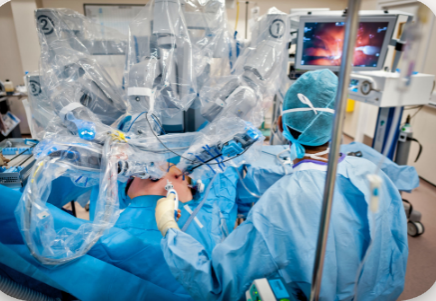
- Remove the primary tumour bulk, which reduces the number of cancer cells and lowers the risk.
- Make other treatments (such as chemotherapy and targeted therapy) more effective by reducing the number of cancer cells.
- In some cases, surgery for visible metastases (e.g., those in the liver or lungs) can significantly extend life and reduce the risk of recurrence.
However, a cancer surgery cannot-
- Eliminate every single cancer cell in many cases, especially when the cancer is advanced or has microscopic spread.
- Control tumour biology (how fast cancer divides, how likely it is to invade, how resistant it is).
- Without follow-up treatments and lifestyle/monitoring, recurrence remains a risk.
Hence, the talk about cancer recurrence prevention becomes essential—even after surgery.
How Surgeons and Oncologists Work Together for Prevention
To reduce the risk of recurrence, a team approach is essential. Here’s how parts of that team fit together:
| Component | Role in preventing return |
| Surgery | Remove tumour + margins, reduce cancer burden |
| Adjuvant therapies | Kill residual cells, treat microscopic disease |
| Follow-up care & surveillance | Detect recurrence early, treat promptly |
| Lifestyle/ nutrition/ support | Improve the body’s resilience, reduce risk factors |
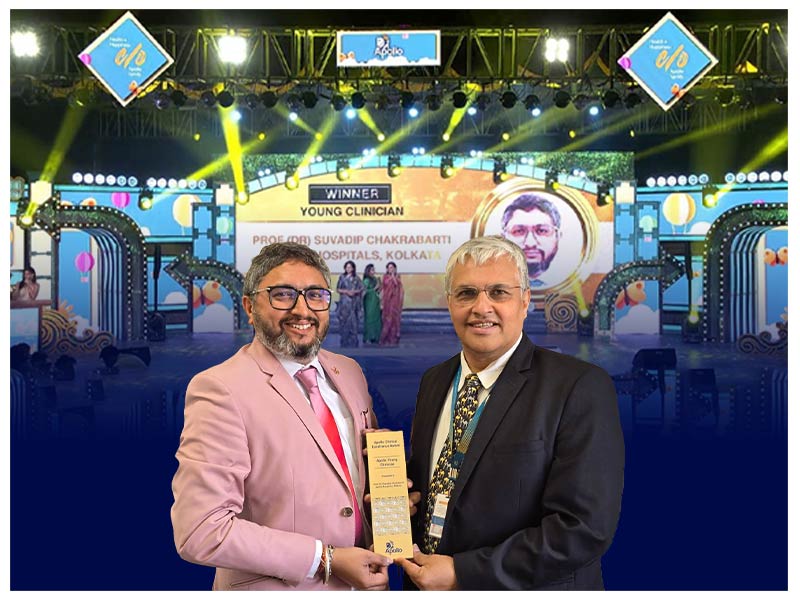
When you see a cancer surgeon in Kolkata, such as Dr Suvadip Chakrabarti, listed, the ideal scenario is that they are part of a broader team to achieve the best results.
What Research Tells Us About Recurrence After Surgery
One study on colorectal cancer (34,166 patients, stages I-III) found that the 5-year recurrence risk decreased over time as surgical techniques and follow-up improved—but remained significant (e.g., stage III ~24.6%).
Another review noted that the very act of surgery might trigger biological responses (inflammation, immune suppression), which could increase the risk of metastases or recurrence unless carefully managed.
What You Should Ask Your Surgeon
To get the most from your surgical plan (and minimise the chance of return), ask your surgeon/oncologist:
- What exactly will they remove (tumour + tissue + lymph nodes)?
- What margin do they aim for? How low is the “echo” of tumour cells at the edges?
- What additional treatments do they recommend after surgery (to address chemotherapy side effects, targeted therapy, etc.)?
- How will they monitor for recurrence (what is the cancer follow-up care plan)?
- What lifestyle, nutrition or physical activity adjustments do they suggest?
What You Can Do to Help Prevent Recurrence

Nutrition for Cancer Recovery
Good nutrition improves recovery, strengthens the immune system and supports the body through follow-up treatments. Balanced meals, adequate protein, healthy fats, plenty of vegetables and fruits—even a modest weight loss (if overweight) help.
Lifestyle & Physical Activity
Studies have shown that moderate exercise after treatment is associated with a reduced risk of recurrence and improved survival. Simple steps, such as walking, yoga, and gentle strength training, can be good options.
Emotional Support and Pain Management
The journey is not just physical. Emotional support for cancer patients matters. Anxiety or depression can affect recovery, sleep, appetite and compliance with follow-up. Also, pain management in cancer (if needed) means being comfortable enough to keep moving and healing.
Targeted Therapy / Modern Post-Surgery Options
Nowadays, after surgery, many patients may receive targeted therapy in cancer (if their tumour has specific genetic markers) or immunotherapy to address the invisible disease and reduce the risk of recurrence. A surgeon who works in a team with medical oncology can guide you here.
Realistic Expectations: Can a Surgeon “Stop” Cancer from Coming Back?
Let’s be honest. A cancer surgeon cannot guarantee that cancer will never come back. What they can do is significantly reduce the risk of recurrence by:
- Removing as much cancer as safely possible
- Working with the oncology team to plan post-surgery therapies
- Ensuring the procedure is done under optimal conditions (experienced surgeon, proper hospital setting)
- Coordinating with follow-up care to detect recurrence early
Why Follow-Up and Survivorship Care Matter
Even if everything goes well, you enter a phase known as cancer survivorship care. This means:
- Regular check-ups and scans to spot signs of recurrence early.
- Discussions about late side effects of treatment (e.g., heart health, bone health).
- Maintaining a healthy lifestyle plus psychosocial care.
A surgeon alone cannot cover this entire phase—the oncology team, dietitians, physiotherapists and primary care all play a role.
Final Thoughts
A skilled cancer surgeon in Kolkata, such as Dr Suvadip Chakrabarti, can make a big difference. Skilled surgery increases the odds of long-term remission. But surgery is not a standalone solution in several cases. It must be part of an integrated care plan.
When choosing a surgeon, look for experience, team-based care, connections to medical oncology, and a reliable follow-up system. Ask questions. Be active in your recovery. Don’t leave things to chance. Your body, your mind and your lifestyle—all of them matter in the mission of stopping cancer from coming back.
You deserve care that’s thorough and connected. Reach out to trusted specialists, ask honest questions, and remember: the fight doesn’t stop at surgery—it just gets a new chapter.
People Also Ask
1. Can surgery alone guarantee cancer will never return?
No. While surgery is critical, it cannot eliminate every hidden cancer cell. Recurrence is possible unless combined with other treatments and follow-up care.
2. What steps improve the chance of preventing cancer recurrence?
Combining surgery with appropriate adjuvant therapies, maintaining a healthy diet and exercise routine, managing side effects, and adhering to follow-up care all increase your chances of long-term success.
3. When should I start thinking about follow-up care and survivorship?
Immediately after treatment ends. Cancer follow-up care planning should start before you finish surgery or chemo. Survivorship begins with planning, not waiting until everything’s “done.”
4. How significant are modern targeted therapies in preventing return?
Important. Targeted therapy in cancer (and in some cases immunotherapy) addresses microscopic disease based on tumour biology. These treatments can reduce the risk of recurrence when used correctly.
5. What role does nutrition or exercise play in preventing cancer from coming back?
A big one. Good nutrition supports body recovery. Regular exercise helps lower the risk of recurrence (studies show a meaningful reduction) and improves physical and mental quality of life.