
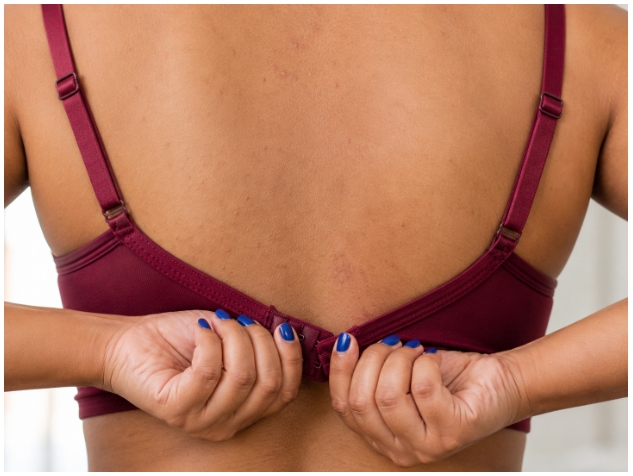
A tight or underwire bra may feel uncomfortable, but current scientific evidence does not show that wearing one causes breast cancer.
A landmark NIH-published study found no association between the likelihood of developing the disease and factors such as underwire use, daily wearing time or the number of years a woman has worn bras. This concern largely stems from an older theory about blocked lymphatic drainage.
This article separates the bra and disease myth from established evidence, explains the factors that genuinely influence its development, and covers practical steps including breast awareness, early signs and timely screening.
Where Did the Bra-Cancer Myth Come From?
The myth became widely known after the 1995 book Dressed to Kill, which proposed that bras could restrict lymphatic drainage and cause harmful substances to accumulate in breast tissue.
The theory gained widespread attention in the media and popular discussions. However, there is no evidence to support this popular theory
Later epidemiological research has not supported the claim that wearing a bra increases risk.
What Does Scientific Research Actually Say?
A 2014 NIH study found no scientific or clinical evidence that wearing a bra changes a woman’s likelihood of developing the disease. [Source]
Researchers evaluated 1,044 postmenopausal women with the condition and 469 without it, finding no association with cup size, daily wearing duration, age at which regular use began or underwire styles.
The key takeaway from common myths versus established facts is that a popular theory or anecdotal claim does not prove causation.
Does an Underwire or Tight Bra Affect Your Lymphatic System?
No, it does not affect or block the normal lymphatic drainage. [Source]
The lymphatic system helps drain fluid from tissues and plays an important role in immune function, but no evidence shows that ordinary bra use causes the kind of lymphatic obstruction described in the original 1995 theory.
A poorly fitting or very tight bra can certainly cause pressure, discomfort, chafing or skin irritation. These effects, however, are different from causing breast malignancies.
What Actually Increases Your Risk of Breast Cancer?
There is no single cause.
Being female, getting older, and having a family history of the disease or inherited genetic changes such as BRCA1 and BRCA2 are key non-modifiable risk factors.
Age and Other Non-Modifiable Factors
Increasing age is the most important risk factor apart from female biological sex. Risk generally rises with age. Other factors, including breast density and certain previous related conditions, can also influence risk.
Genetics and Family History
Inherited changes in genes such as BRCA1 and BRCA2 can substantially increase risk, particularly when several relatives have been affected, or tumours occur at younger ages.
Genetic risk and family history are related but not the same.
Hormonal and Reproductive Factors
Factors linked to longer exposure to natural oestrogen, such as earlier menstruation or later menopause, may influence susceptibility.
Reproductive history and certain forms of postmenopausal hormone therapy can also affect the likelihood of developing the condition.
Lifestyle Factors
Certain modifiable habits may affect the chances of developing the condition. Alcohol consumption is linked to greater susceptibility, while physical inactivity and excess body weight, particularly after menopause, may further influence its occurrence.
Healthier choices can offer some protection, but no change in daily habits can guarantee complete prevention.
What Should You Actually Focus on for Breast Health?
Instead of worrying about whether a bra causes the condition, focus on correct awareness, appropriate medical evaluation and recommended screening.
Being familiar with how your breasts normally look and feel can help you notice a new or unusual change.
Potential early signs include
- A new lump in the breast or underarm
- Persistent change in breast size or shape
- Dimpling, thickening or other skin changes
- Nipple changes, including inversion
- Unusual nipple discharge
These symptoms do not automatically indicate a malignant condition, but a healthcare professional should evaluate any new or persistent change.
Breast self-examination should not be treated as a substitute for recommended screening.
The American Cancer Society (ACS) does not recommend routine self-examination as a formal screening method for women at average risk, but encourages women to know how their breasts normally look and feel and report changes.[Source].
A mammogram remains an important screening tool. Screening schedules depend on age and individual risk.
For example:
The US Preventive Services Task Force (USPSTF) recommends that women at average risk for breast cancer undergo biennial (every two years) screening mammography starting at age 40 and continuing through age 74. This guidance lowers the recommended starting age from 40 to catch early cases in women in their forties. [Source]
Other professional organisations recommend different intervals. Higher-risk women may need a different approach.
When Should You Consult a Breast Cancer Doctor?
A new breast or underarm lump, persistent nipple changes, unusual discharge, skin changes or another unexplained symptom deserves medical assessment.
Assessment may include a clinical examination followed by appropriate imaging or other tests when needed. Screening is different from investigating a new symptom, so people with concerning changes should not wait for their next routine screening appointment.
If further evaluation suggests a need for specialist care, consulting a surgical oncologist can help determine whether additional investigations or surgical management are appropriate.
Final Takeaway
Wearing a bra, including an underwire style or one used for several hours, has not been established as a cause of the disease. Instead, focus on established contributing factors, body awareness and appropriate screening.
- Bra use, including underwire styles or prolonged daily wear, has not been shown to cause the condition.
- Prioritise proven contributing factors rather than popular myths.
- Stay familiar with your body and promptly recognise new or persistent changes.
- Follow age- and individual-risk-appropriate screening recommendations, including mammograms when advised.
If you notice a persistent breast change, consult Dr Suvadip Chakrabarti, an experienced breast cancer surgeon in Kolkata, for timely evaluation.
Call now to book a consultation.
People Also Ask
Is There Any Type of Clothing That Increases Breast Cancer Risk?
No specific type of everyday clothing has been shown to cause the condition. Current evidence does not show that bras, including underwire styles, increase the likelihood of developing it.
Can Wearing a Bra While Sleeping Cause Any Harm?
Sleeping in a bra has not been established as a breast cancer risk. However, a tight or poorly fitting bra may cause discomfort, pressure or skin irritation, so comfort and proper fit matter.
What Is the Biggest Risk Factor for Breast Cancer That People Overlook?
Increasing age is the most important factor influencing susceptibility, apart from female biological sex. Genetics, family history, hormonal influences and lifestyle can also affect an individual’s likelihood of developing the condition.
How Often Should You Get a Mammogram If You Have No Family History?
For women at average risk, screening recommendations vary by organisation. The USPSTF recommends a mammogram every two years from ages 40 to 74. Individual risk factors may call for a different screening plan.
Can wearing an underwire bra increase your risk of breast cancer?
No. Scientific studies have found no evidence that this style increases the likelihood of developing the disease.
Can tight bras affect lymphatic drainage in the breasts?
No. Properly fitting garments do not block normal fluid circulation, and this has not been linked to tumour development.