
Cancer is a complex disease driven by genetic mutations that cause cells to divide uncontrollably, often forming tumours and spreading metastasis (the deadliest aspect, causing over 90% of cancer-related mortality - source).
It is evaluated through staging—commonly using the TNM system—which defines how far the disease has progressed (Stages 0–IV) and guides treatment decisions such as surgery, chemotherapy, radiation therapy, and immunotherapy.
A clear understanding of cancer development, staging, and treatment is essential for timely decisions, accurate prognosis, and effective care.
Working with an experienced cancer specialist ensures that diagnosis, staging, and treatment are aligned for the best possible outcomes, especially in complex cases managed by experts like Dr Suvadip Chakrabarti (MCh), a surgical oncologist and robotic cancer specialist in Kolkata
Today, we discuss how cancer develops, how it spreads, how it is staged, and how modern treatment strategies are planned.
What is cancer?
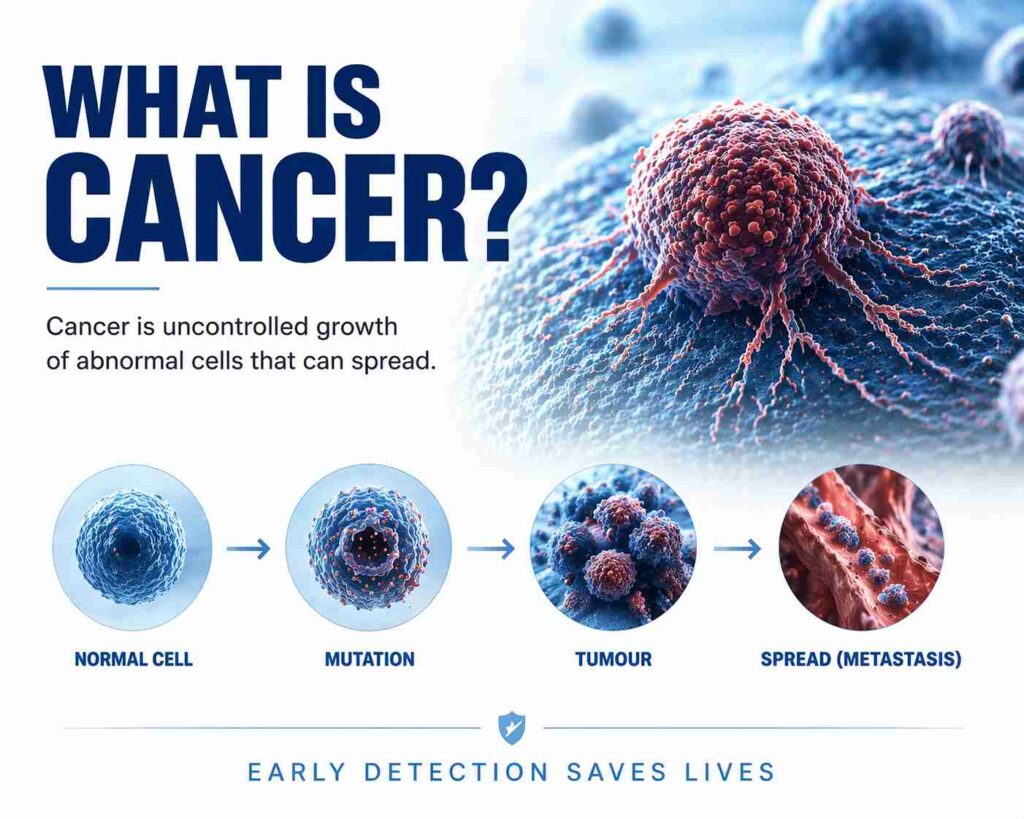
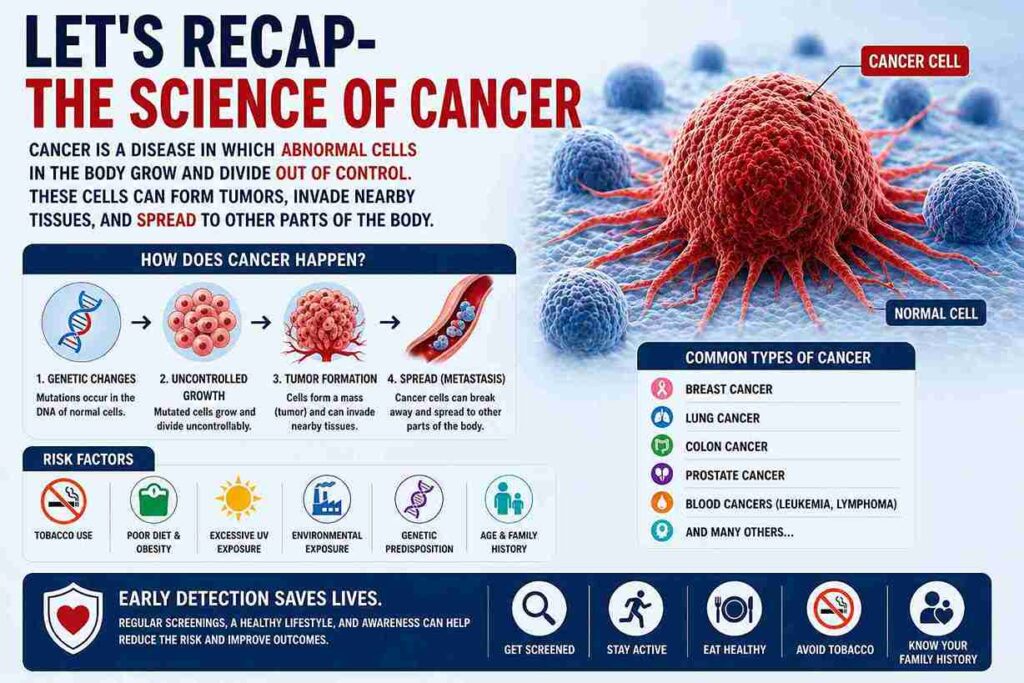
Cancer is a group of diseases marked by uncontrolled growth, division, and spread of abnormal cells in the body. Instead of dying as they should, these damaged cells continue to multiply, invade nearby tissues, and can travel through the blood and lymph systems to other parts of the body (metastasis).
How normal cells grow, divide, and die:
Healthy cells follow a regulated cycle of growth and death. This balance maintains normal tissue function.
What makes cancer cells different:
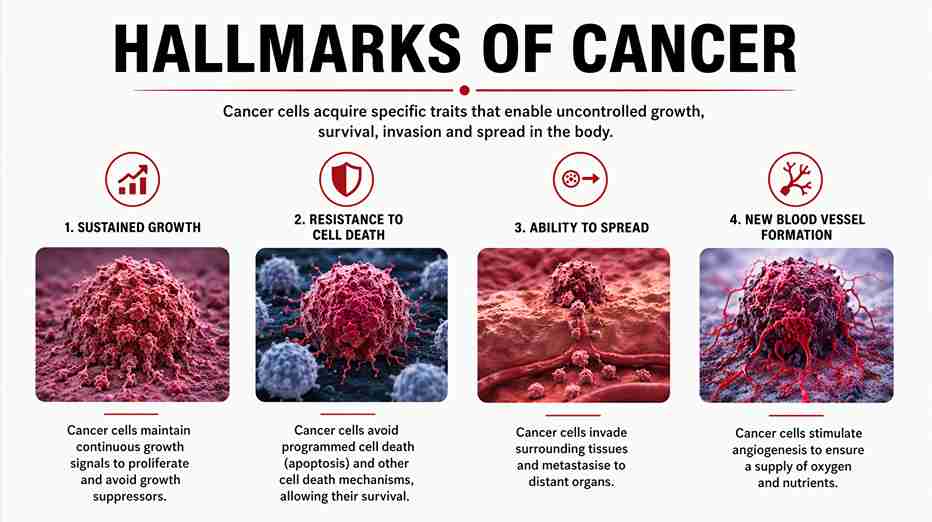
Cancer cells ignore growth signals, resist cell death, and continue dividing. They can form tumours and invade nearby tissues.
The role of DNA and cell cycle regulation:
DNA mutations disrupt genes responsible for controlling cell division. Over time, these mutations lead to uncontrolled growth. [Source]
How cancer develops and progresses
Cancer development is a gradual, multi-step process.
Genetic mutations and uncontrolled cell growth:
Mutations accumulate in cells due to -
- Environmental exposure
- Lifestyle factors
- Or inherited risks
Tumour growth and metastasis (how cancer spreads)
As abnormal cells multiply, they form tumours.
Some remain localised, while others invade nearby tissues and spread through blood or lymph. This is how cancer spreads to distant organs.
Cancer causes and risk factors
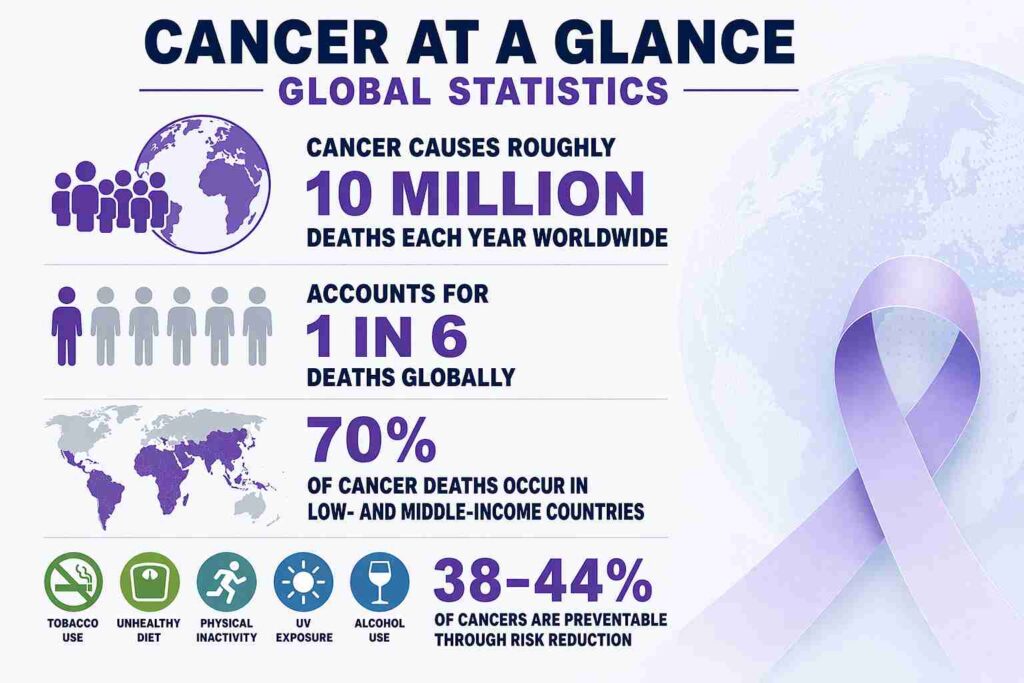
4 out of 10 cancer cases are preventable by avoiding these risk factors. [Source]
Tobacco use
Responsible for 25–30% of all cancer deaths
Strongly linked to:
- Lung cancer
- Oral and throat cancers
- Esophageal cancer
- Bladder and kidney cancer
- Pancreatic cancer
Infectious agents (viruses and bacteria)
Account for 15–20% of global cancer cases.
Key contributors:
- Human Papillomavirus (HPV): Cervical, head & neck, anal cancers
- Hepatitis B & C: Liver cancer
- Helicobacter pylori: Stomach cancer
Obesity and overweight
Linked to 13+ types of cancer
Mechanism:
- Chronic inflammation
- Hormonal changes (estrogen, insulin)
- Promotes tumour growth
Environmental and occupational hazards
Exposure to harmful substances increases cancer risk.
Common hazards:
- Asbestos: Mesothelioma, lung cancer
- Benzene: Leukemia
- Air pollution: Lung cancer
Aging
Risk increases with age due to:
- Accumulation of genetic mutations
- Reduced cellular repair capacity
- Most cancers are diagnosed after age 65
Genetics and family history
5–10% of cancers are inherited
Examples:
- BRCA1/BRCA2: Breast, ovarian cancer
- Lynch syndrome: Colorectal cancer
Alcohol consumption
Increases risk of:
- Mouth and throat cancers
- Esophageal cancer
- Liver cancer
- Breast cancer
- Colon cancer (Source)
In real-world oncology practice, delayed screening often leads to advanced-stage presentation.
Why cancer staging matters
Cancer staging describes how far the disease has progressed and is central to cancer staging and treatment decisions.
How staging affects survival and prognosis
Early-stage cancers are usually associated with higher chances of cure and better survival. Advanced stages often indicate a more complex disease requiring intensive treatment and closer monitoring
How staging guides treatment planning
Staging determines whether surgery, chemotherapy, radiation, or combined approaches are required as part of structured oncology treatment planning.
Grade vs stage in cancer
- Stage: extent of spread
- Grade: aggressiveness of cancer cells
The TNM Staging System in Cancer
The TNM staging system in cancer is widely used to classify disease extent.
T – Tumour size and extent
Indicates how large the tumour is and its local spread.
N – Lymph node involvement
Shows whether nearby lymph nodes are affected.
M – Distant metastasis
Indicates whether cancer has spread to distant organs.
Which cancers use TNM and which do not
Most solid tumours use TNM staging, while blood cancers follow different systems.
Stages of Cancer from 0 to 4
| Stage | Meaning | Spread Level | Treatment Intent |
| Stage 0 | Carcinoma in situ | No spread | Curative |
| Stage 1 | Localized cancer | Limited | Curative |
| Stage 2 | Early spread | Nearby tissue | Curative |
| Stage 3 | Regional spread | Lymph nodes | Combined treatment |
| Stage 4 | Metastatic cancer | Distant organs | Control & prolong survival |
Understanding these stages of cancer from 0 to 4 helps guide realistic expectations and treatment strategies.
Cancer Diagnosis and Staging
Accurate cancer diagnosis and staging are essential before starting treatment.
- Biopsy and cancer diagnosis: confirms cancer by examining tissue under a microscope.
- Imaging tests (CT, MRI, PET-CT, ultrasound): help assess tumour size and spread.
- Blood tests and tumour markers: useful for monitoring and sometimes detecting cancer.
Clinical vs pathological staging
- Clinical: based on imaging
- Pathological: based on surgical findings
Importance of early cancer detection
Early cancer detection methods, including cancer screening tests, significantly improve survival rates by identifying the disease before symptoms appear.
Main Types of Cancer Treatment
There are multiple types of cancer treatment, often used in combination.
- Surgery for cancer: Aims to remove the tumour completely and remains a cornerstone of cancer surgery.
- Chemotherapy: Uses drugs to destroy rapidly dividing cancer cells.
- Radiation therapy: targets cancer cells using high-energy radiation.
- Targeted therapy: focuses on specific molecular pathways driving cancer growth.
- Immunotherapy: enhances the immune system’s ability to fight cancer.
- Hormone therapy: used in hormone-sensitive cancers.
- Stem cell transplant: common in blood cancers.
Curative vs palliative treatment
- Curative treatment aims to eliminate cancer
- While palliative care focuses on symptom relief and quality of life
Dr Suvadip Chakrabarti, in Kolkata, combines multiple therapies such as surgery, chemotherapy, and targeted treatments to improve outcomes. His modern oncology treatment planning often involves multidisciplinary cancer care to ensure optimal results.
How Stage and Biology Influence Treatment Choice
Treatment decisions depend on stage, tumour biology, and patient health.
Early-stage cancer strategy
Often treated with surgery, sometimes followed by additional therapy.
Locally advanced cancer strategy
Requires a combination of treatments such as surgery, chemotherapy, and radiation.
Metastatic cancer strategy
Focuses on controlling disease progression and improving survival.
Biomarkers and personalised cancer treatment
Genetic profiling enables personalised cancer treatment tailored to individual patients.
Choosing the right approach requires an experienced cancer specialist
Dr Suvadip Chakrabarti, as a surgical oncologist, can integrate staging, tumour biology, and clinical factors into precise oncology treatment planning.
Side Effects, Supportive Care, and Quality of Life
Cancer treatment can impact both physical and emotional well-being.
Managing fatigue, pain, and nutrition
Supportive care includes:
- Pain management
- Nutritional support
- Anti-nausea medications
Mental health and rehabilitation
Psychological support is essential during treatment. Focuses on improving quality of life, emotional support, and long-term recovery.
Palliative care
Improves comfort and quality of life at any stage.
Long-term survivorship care
Regular follow-up ensures early detection of recurrence and long-term health monitoring.
Cancer Treatment in Kolkata: What Patients Should Look For
Multidisciplinary cancer care approach
Collaboration between specialists ensuring comprehensive care—including surgical, medical, and radiation oncology along with palliative support
Access to diagnostics and advanced therapies
Access to advanced cancer treatment that ensures coordinated treatment and better outcomes.
Importance of experienced surgical oncologists
Expertise in cancer surgery is critical for complex tumour removal.
When to seek a second opinion
Patients should consider a second opinion in:
- Complex cases
- Advanced-stage cancers
- Unclear diagnosis
Main Takeaways
- Cancer develops through genetic mutations and uncontrolled cell growth
- Tumour growth and metastasis explain how cancer spreads
- Cancer staging and treatment are closely linked
- Early cancer detection methods improve survival outcomes
- Multiple types of cancer treatment are available today
- Multidisciplinary cancer care improves results
Consulting a surgical oncologist ensures accurate diagnosis and effective treatment planning.
Get Expert Insight & Consultation in Kolkata
Dr Suvadip Chakrabarti is a trusted cancer specialist in Kolkata, known for evidence-based cancer care from diagnosis to treatment planning.
Watch: Cancer, Health News: ক্যানসার নিয়ে দুশ্চিন্তা নয়, সামলানোর দাওয়াই দিলেন চিকিৎসক | #TV9D
- 400+ head & neck cancer cases
- 200+ thyroid cancer cases
- 650+ breast cancer cases
- 300+ gynaecological oncology cases
Also held leadership roles, including HOD positions at reputed institutions, and is associated with leading centres offering advanced cancer treatment in Kolkata.
For clarity on diagnosis, staging, and personalised treatment - book a consultation today!
People Also Ask
Can cancer begin from a single abnormal cell?
Yes. Many cancers start when a single cell develops DNA damage and begins multiplying uncontrollably over time.
Why do some tumours grow without causing pain?
Not all tumours press on nerves or nearby structures immediately, which is why some cancers remain painless in early stages.
Can the immune system destroy cancer cells naturally?
Yes. The immune system can sometimes identify and destroy abnormal cells, but cancer may develop when those cells escape immune detection.
Why do doctors ask about unexplained weight loss during cancer evaluation?
Unexpected weight loss can sometimes indicate changes in metabolism caused by cancer and may help doctors assess disease progression.
Can cancer spread even after the original tumour is removed?
Yes. In some cases, microscopic cancer cells may already have travelled to other areas before surgery and remain undetectable initially.
Why are some cancers called aggressive while others are slow-growing?
Cancer aggressiveness depends on how quickly abnormal cells divide, invade nearby tissues, and spread to distant organs.
Can long-term exposure to pollution increase cancer risk?
Yes. Continuous exposure to certain environmental pollutants and harmful chemicals may increase the risk of developing specific cancers over time.