
Cancer affects patients and their families in ways no one can prepare for. Lives pause. Sleep disappears.
Every thought circles back to one fear—“Will the treatment be too painful? Will recovery take forever?”
This is where robotic cancer surgery offers relief that feels almost unexpected.
As a cancer doctor in Kolkata, Dr Suvadip Chakrabarti often meets people who walk in scared, confused, and overwhelmed. But when they understand how robotic systems reduce pain, shorten recovery time, and improve accuracy, their fear turns into something gentler—hope.
Robotic surgery blends human skill with machine precision. This allows surgeons to operate with stability and clarity that hands alone may not achieve.
What Is Robotic Surgery?
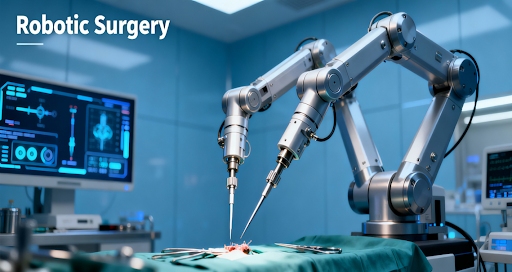
Robotic surgery is not about robots “doing” surgery.
- The surgeon remains in full control at every moment.
- Sitting at a console, they guide robotic arms that mimic their own movements with more precision.
- These arms rotate more smoothly than human wrists and reach tiny spaces inside the body.
Imagine stitching a tear on a piece of silk without damaging the fabric. That is the kind of finesse robotic cancer surgery brings into real life.
Patients often feel reassured when they learn this—not scared—because it shows that robotic technology isn’t replacing doctors. It is enhancing them.
How Robotic Surgery Improves Surgeon Control and Decision-Making
Cancer surgery demands precision, but it also demands smart, split-second decisions. Robotic systems support both.
The 3D, high-definition view shows details that the human eye cannot catch in traditional surgery — tiny nerves, small vessels, and subtle tumour borders. This helps the surgeon plan each movement precisely.
The system also removes natural hand tremors. Every motion at the console is translated into smooth, steady motion within the body, allowing surgeons to work safely in tight spaces such as the uterus, cervix, and breast.
Robotic instruments rotate with greater freedom than a human wrist, giving surgeons more reach and flexibility. This matters when a tumour sits close to delicate organs that need to be protected.
Another silent benefit is reduced fatigue. The ergonomic console helps surgeons operate longer without strain, keeping their judgment sharp from start to finish.
In simple terms, robotic surgery strengthens both the surgeon’s hands and mind — leading to cleaner decisions, safer movements, and better patient outcomes.
Key Advantages of Robotic Surgery
The benefits aren’t minor. They are life-changing. Each advantage affects pain levels, cosmetic results, and how quickly a patient can return to normal life.
| Key Advantages | Description |
| Smaller Cuts | Minimally invasive with smaller incisions |
| Greater Comfort | Enhanced patient comfort during and after surgery |
| Faster Healing and Less Pain | Quicker recovery time with reduced pain |
| Better Targeting of Tumours | Precise targeting to effectively remove tumours |
Learn more below.
Smaller Cuts, Greater Comfort
Many patients choose robotic treatment because the cuts are tiny. Instead of large incisions, robotic arms enter through small ports. This approach supports minimally invasive cancer surgery techniques that minimise tissue damage and expedite healing.
Faster Healing and Less Pain
Healing after robotic surgery is noticeably easier. Patients often move on the same day and return home faster.
This smoother journey is one reason many people prefer the method when they are informed about the benefits of robotic surgery recovery. Families also feel less anxious when they see the patient recovering with minimal pain and fewer restrictions.
Better Targeting of Tumours
Robotic surgery shines when accuracy is the priority. Surgeons use magnified visuals and advanced tools to remove tumours cleanly. This is especially crucial when discussing the precision of robotic surgery, which ensures accurate removal while protecting nerves and nearby organs.
In breast conservation surgeries, this precision helps preserve shape and appearance, something emotionally crucial for women undergoing treatment.
Types of Cancers Treated Using Robotic Surgery
| Cancers |
| Head & Neck Tumours |
| Thyroid and Gastrointestinal Growths |
| Gynaecologic and Pelvic Cancers |
Head & Neck Tumours
Robotic surgery enables surgeons to access deep areas inside the throat or the base of the tongue without requiring external incisions. This makes the procedure safer and cleaner, reducing long-term problems with speech or swallowing.
Robotic cancer surgery enables surgeons to access deep areas in the throat or the base of the tongue without requiring external incisions.
Thyroid and Gastrointestinal Growths
Robotic systems let surgeons work carefully around delicate structures near the thyroid or stomach. This level of control supports safer Tumour removal surgery, lowers the risk of nerve damage, and often avoids visible scars.
Gynaecologic and Pelvic Cancers
Women with cervical, uterine, or ovarian tumours benefit greatly from robotic surgery. These areas are narrow and contain sensitive nerves and vessels, so precision is crucial.
Using advanced cancer surgery techniques, surgeons can remove tumours safely through small incisions. Many women appreciate the reduced pain, quicker recovery, and better emotional comfort that robotic surgery offers.
Preparing for Robotic Surgery
Before entering the OT, every patient undergoes thorough assessments—blood tests, imaging scans, and planning sessions.
These steps ensure that the chosen approach aligns with the tumour's exact characteristics. Surgeons use insights from cancer surgery techniques to personalise plans for safer outcomes.
This preparation phase helps build trust and reduces fear, because patients know their surgery is not “one size fits all.” It is customised for them.
Setting Expectations Before Surgery
Patients often want to know:
- “Will it hurt?”
- “How long will I be in the hospital?”
- “When can I walk?”
Robotic cancer surgery offers comforting answers. Most patients can walk within a few hours and return home much sooner than they expect. Because the cuts are small, pain is noticeably less than with traditional open surgery.
Why Choosing the Right Surgeon Matters
Technology alone is not enough. Experience matters. Judgment matters. Compassion matters.
As a leading cancer doctor in Kolkata, Dr Suvadip Chakrabarti has used robotic systems to help countless patients regain control of their lives with minimal disruption.
His expertise as a Surgical Oncologist and Robotic Surgeon specialising in precision-based procedures gives patients the confidence they need. When technique, technology, and trust come together, healing becomes smoother, safer, and less frightening.
Hope With Precision
Robotic surgery is not just a medical advancement. It is hope with precision.
It removes tumours gently, safely, and accurately. It reduces pain, speeds healing, and protects quality of life. For patients facing breast cancer or gynaecologic tumours, this approach often feels like a bridge between fear and recovery.
With the guidance of Dr Suvadip Chakrabarti, an experienced Cancer doctor in Kolkata, patients can restart life with confidence, strength, and clarity.
People Also Ask About Robotic Cancer Surgery
Patients and families in Kolkata often ask similar questions during clinic visits.
Is robotic cancer surgery safe?
Current evidence shows that for many cancers, robotic procedures have complication and recurrence rates similar to standard surgeries when done by trained surgeons in equipped centres.
Is robotic surgery always better than laparoscopic surgery?
Not always. For some cancers, results are similar. For difficult pelvic or head-and-neck cases, robotic systems can offer technical advantages. The right choice depends on the tumour site, stage, and the surgeon's experience.
Will my insurance cover robotic surgery?
Coverage varies by policy and insurer. The hospital’s billing team can assist you in reviewing costs and approvals in advance.
Do I still need chemotherapy or radiotherapy after robotic surgery?
Sometimes yes. Surgery is one part of treatment. Your team determines the need for additional therapy based on pathology reports and established guidelines.